Woking Surrey commercial rubbish collection for shops and offices
Posted on 03/09/2026
If you run a shop, manage an office, or look after a mixed-use premises in Woking, rubbish has a habit of appearing quietly and then all at once. Cardboard by the door. Broken display fittings at the back. Old chairs, packaging, confidential paper, the odd grimy sack from the stockroom. Before long, the place starts feeling cramped, untidy, and harder to work in. That is where Woking Surrey commercial rubbish collection for shops and offices becomes more than a convenience. It becomes part of keeping the business moving.
Good commercial waste handling is not just about getting rid of clutter. It supports customer experience, staff wellbeing, fire safety, and day-to-day efficiency. It also helps you avoid those awkward moments when waste starts to overflow before a busy morning. In this guide, we will look at how commercial rubbish collection works in practice, what to expect, common mistakes, useful checks, and how to choose a service that fits the pace of a working premises in Woking.

Why Woking Surrey commercial rubbish collection for shops and offices Matters
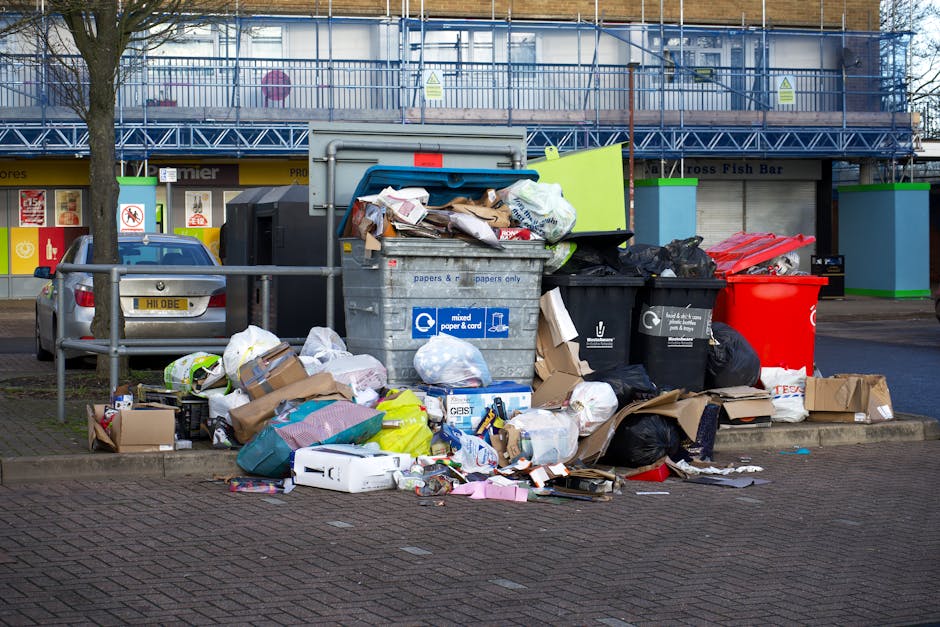
In a busy commercial setting, waste has a way of affecting everything. A shop with too much packaging at the rear entrance can look disorganised before the first customer even walks in. An office with full bins and unused furniture stacked in meeting rooms feels smaller, noisier, and frankly less pleasant to work in. That is the everyday reality behind commercial rubbish collection.
For Woking businesses, the need is especially practical. Retail units often handle high volumes of cardboard, plastics, broken fixtures, and display materials. Offices generate mixed waste, confidential paperwork, IT equipment, and redundant furniture. Some premises also operate under tighter space constraints, which means waste storage quickly becomes a pinch point. You notice it first in the back area, then in the mood of the place.
It matters because rubbish is not just rubbish. It can create trip hazards, attract pests, block access routes, and make it harder to stay organised during peak trading times. And if waste is left to build up because everyone is "too busy this week", that delay tends to cost more than people expect. A small issue becomes a bigger one. To be fair, that happens in plenty of businesses.
A reliable service also supports a more professional image. Whether customers are browsing shelves or walking into a reception area, they notice the environment. Clean, clear, and uncluttered spaces send a different message than overflowing bins and bags tucked in corners. It is not glamorous, but it does matter.
For businesses wanting a broader view of what is available beyond one-off waste removal, the services overview is a useful starting point. It helps you understand how commercial collection sits alongside other disposal and clearance options.
How Woking Surrey commercial rubbish collection for shops and offices Works
At its simplest, the process is straightforward: waste is assessed, collected from your premises, removed safely, and taken for sorting, recycling, or disposal. The detail matters, though, because not all commercial waste is the same.
In many cases, the process starts with a quick review of the waste type and access. A shop may need help with cardboard, shrink wrap, shelving, or stockroom waste. An office may need mixed waste clearance, desks and chairs removed, or bags of archived paper taken away. If the premises have tight access, loading bay limitations, or restricted collection times, that needs to be planned in advance. That part sounds dull, but it saves real hassle.
A typical collection may include:
- bagged general waste
- cardboard and packaging
- office clear-out items
- old furniture and fixtures
- non-hazardous bulky rubbish
- recyclable materials separated where possible
Some jobs are one-off clearances, such as after a refit or relocation. Others are recurring collections that keep a premises from reaching that point where bins overflow every Thursday afternoon. A good provider will usually adapt to your schedule rather than forcing you into a rigid plan.
If you are clearing redundant desks, cabinets, or reception seating at the same time, the office clearance service can be especially relevant. For larger or mixed waste jobs, the broader waste collection service may be the better fit.
One practical note: commercial waste should be presented in a way that allows quick loading and safe handling. If items are scattered across multiple rooms or buried behind stock, collection takes longer. The smoother the site is prepared, the smoother the job usually goes. Simple, but true.
Key Benefits and Practical Advantages
There are obvious benefits, and then there are the quieter ones that show up over time. Both matter.
- Better use of space: Shop backrooms and office storage areas stay usable instead of filling up with unwanted items.
- Improved presentation: Customers, suppliers, and staff see a cleaner, more organised workplace.
- Fewer safety issues: Clear walkways and unobstructed exits help reduce avoidable risks.
- More efficient operations: Staff spend less time dealing with waste and more time doing actual work.
- Flexible support: One-off and ongoing collections can be matched to your trading pattern.
- Better recycling opportunities: Sorted waste can often be diverted away from landfill where appropriate.
There is also a human benefit that business owners sometimes underestimate. A tidier environment changes how a place feels. Staff are usually more comfortable in a workspace that is not crowded with unused items. Customers are more relaxed too, especially in retail settings where first impressions happen fast. Nobody wants to queue beside a stack of old packaging if they can help it.
For businesses that want to make the disposal side of things a little more responsible, the recycling and sustainability page is worth reading. It gives a sense of how waste can be handled with a better environmental outcome where possible.
Who This Is For and When It Makes Sense
This service is for a wide mix of businesses, not only large offices or busy high-street shops. In reality, some of the most common users are smaller places that simply do not have the space, staff time, or vehicle access to deal with waste properly on their own.
It tends to make sense for:
- retail shops with regular packaging and stockroom waste
- offices replacing furniture or clearing archived material
- cafes and small hospitality businesses handling daily rubbish
- showrooms and studios with packaging, displays, and broken items
- managed properties and commercial landlords between tenancies
- new businesses setting up and needing initial rubbish removed
There are also moments when commercial rubbish collection becomes the obvious choice rather than a nice-to-have. After a refit. After moving out. Before an inspection. After a busy seasonal push when boxes have piled up faster than anyone meant them to. Retail and office waste has a way of arriving in waves.
If a business is dealing with old stock, unsellable items, or a full clear-out, it can help to compare it with related services. For example, a premises that also needs furniture removed may benefit from furniture disposal in Surrey. If the job is more of a general business tidy-up, the general waste collection option may be more practical.
And if your workplace is in a mixed commercial building near central Woking or along a busy route, timing matters too. Early morning or end-of-day collections are often easier because footfall is lower. A small detail, yes, but it can make the difference between a smooth job and a mildly chaotic one.
Step-by-Step Guidance
If you are arranging commercial rubbish collection for the first time, the process is easier when you break it into clear steps. No need to overcomplicate it.
- Identify the waste type. Separate general waste, cardboard, bulky items, furniture, and any materials that need special handling.
- Estimate the volume. Think in terms of bags, boxes, or item count. A rough picture is usually enough to begin with.
- Check access. Note loading doors, staircases, lifts, narrow corridors, parking limits, and opening hours.
- Choose a suitable collection window. Consider quiet periods so the collection does not interfere with customers or staff.
- Prepare the items. Bag loose waste, flatten boxes, and place bulky items where they can be reached safely.
- Confirm any special requirements. Mention confidential paperwork, fragile fittings, or items that need extra care.
- Book and brief the team. Make sure the person coordinating the site knows what is being removed and from where.
- Review the result afterwards. Check that the area is clear and that nothing has been left behind by mistake.
That last step sounds obvious, but it is easy to miss in a busy workplace. A small pile of packaging can remain tucked in a corner, and suddenly the area still feels half-finished. A quick walk-through at the end helps.
If your business likes to keep the admin side tidy as well, it is worth reviewing the provider's pricing and quotes information so you understand how the job is likely to be priced before you commit.
Expert Tips for Better Results
Over time, the best commercial waste jobs tend to have the same features: clear communication, good preparation, and realistic expectations. Nothing fancy.
1. Separate recyclable waste before collection where practical. Cardboard is a classic example. It is bulky, easy to flatten, and often makes a huge difference to loading space.
2. Keep a waste "holding point". A small, designated area for outgoing rubbish prevents clutter from spreading across the premises.
3. Make one person responsible. When five people are giving instructions, jobs take longer. One contact point keeps things neat.
4. Time collections around business rhythm. For some shops, 8am is ideal. For offices, it may be just after staff leave. It depends on the site, of course.
5. Think beyond the obvious rubbish. Old shelving, broken counters, unused office chairs, and redundant equipment can add up fast. Sometimes the real issue is not waste volume but awkward items taking up precious floor space.
6. Ask about handling and safety. A professional team should be able to explain how items are loaded and taken away without causing unnecessary disruption.
One practical observation from day-to-day commercial work: the best-prepared sites usually save themselves money and time. Not because they are trying to "game" anything, but because clear access and sorted waste simply make the job easier to complete. Simple physics, really.
If you want to understand the wider company standards around safe operations, the insurance and safety information is a useful reference point.

Common Mistakes to Avoid
Commercial rubbish collection goes smoothly far more often when businesses avoid a few very common traps. Some of these are tiny mistakes that become big frustrations later.
- Leaving waste mixed together: It can slow collection and make recycling harder.
- Underestimating volume: A "few bags" can turn into a van-load once everything is gathered.
- Ignoring access restrictions: Narrow stairwells, timed parking, and shared entrances can all affect the job.
- Waiting too long: Waste builds gradually, then all at once. By the time it feels urgent, the space is often already compromised.
- Forgetting bulky items: Furniture and fixtures are easy to overlook in the planning stage.
- Not coordinating staff: If everyone leaves items in different places, the collection becomes more awkward than it needs to be.
There is also the classic issue of assuming the cheapest option is automatically the best. Sometimes it is fine. Sometimes it is not. The lowest price is only useful if the service actually fits your premises, waste type, and schedule. Otherwise you are paying twice, in one way or another.
For businesses wanting a clearer view of how the company handles its responsibilities, the about us page helps build context around service approach and values.
Tools, Resources and Recommendations
You do not need a huge toolkit to manage commercial waste better. A few simple tools and habits go a long way.
- Heavy-duty bags: Useful for loose office waste and general rubbish.
- Flattening tools or box cutters: Handy for cardboard-heavy retail sites.
- Lidded bins or cages: Good for keeping waste contained before collection.
- Labelled holding areas: Helpful when staff need to separate waste streams.
- Basic inventory list: Useful for office clear-outs so nothing valuable gets mixed in by accident.
Recommended planning habits include:
- Review waste weekly rather than waiting until the bins are full.
- Schedule collections before busy seasonal periods.
- Keep a note of recurring waste patterns, such as cardboard spikes after deliveries.
- Record items that need special handling, especially furniture or equipment.
For businesses that are thinking about larger clear-outs or wider site changes, it may also help to look at builders waste disposal in Surrey if the waste includes refurbishment debris, packaging, or stripped-out materials from a premises update.
And if you are preparing a workplace move or closure, a service like office clearance Surrey can be a more complete solution than piecemeal rubbish removal.
Law, Compliance, Standards, or Best Practice
Commercial waste handling in the UK has a compliance side, and it should be taken seriously, even if the day-to-day job feels routine. Different types of business waste can require different handling, and the business producing the waste remains responsible for managing it properly. That is the key idea, and it is worth repeating.
In practical terms, best practice usually includes:
- keeping waste separate where possible
- not mixing general rubbish with recyclable materials unnecessarily
- ensuring waste is removed by a suitable service
- storing waste safely and securely before collection
- making sure staff know what can and cannot go in the bins
If your business deals with confidential paperwork, electronics, or items with sensitive data, you should take extra care. Even when the job is only about rubbish removal, the principle is the same: don't treat sensitive material casually because it is "just going out with the bins".
It is also good practice to work with a provider that is clear about its policies and operational standards. For reassurance on site procedures and practical safety expectations, the insurance and safety page is useful, and policy pages such as terms and conditions and privacy policy can help you understand how service relationships are handled. That may sound administrative, but it really matters when you are comparing providers.
One more thing: responsible waste management is not only about compliance. It is also about good housekeeping, respect for neighbours, and keeping the business environment in shape. That part is very ordinary, but also very real.
Options, Methods, or Comparison Table
Not every business needs the same type of rubbish collection. Here is a simple comparison to help you think through the options.
| Option | Best for | Typical strengths | Possible limitations |
|---|---|---|---|
| One-off commercial rubbish collection | Occasional clear-outs, seasonal waste spikes, refits | Flexible, fast, good for sudden build-ups | Not ideal for ongoing waste production |
| Regular scheduled collection | Shops, offices, and premises with steady waste output | Predictable, tidy, easier to manage long-term | Needs planning and consistent volumes |
| Office clearance | Furniture changes, relocations, archive removal | More complete for workplace resets | May be more than a simple waste job |
| General waste collection | Mixed non-hazardous rubbish | Simple, broad coverage | May not suit bulky items alone |
If a business is handling a full refresh of chairs, desks, and storage units, you may want to pair rubbish removal with a dedicated furniture solution. If it is mainly mixed rubbish and packaging, a straightforward collection works well. The right answer depends on what is actually sitting in the space, not on what sounds easiest on paper.
Case Study or Real-World Example
Picture a mid-sized shop in Woking that has just come through a busy seasonal period. Deliveries have been constant. Boxes are stacked behind the counter. The stockroom has old display material, broken shelving, and a pile of packaging that nobody has had time to sort. Staff can still work, but barely. The back room feels tight, and restocking takes longer because everything is in the way.
Instead of letting the problem drag on for another fortnight, the manager arranges a commercial rubbish collection. First they flatten the cardboard and separate the reusable packaging. Then they group the bulky items near the access point and clear a path through the stockroom. On collection day, the team can work quickly because there is no scramble to move items around at the last minute.
By the end of the visit, the difference is obvious. The back area breathes again. The staff stop stepping around boxes. The manager can actually find what they need. Nothing dramatic, but it changes the feel of the whole site.
A similar thing happens in offices. A few redundant desks, an old filing cabinet, and some archived materials can quietly shrink the usable space. Once those items are removed, meeting rooms start feeling like meeting rooms again rather than temporary storage. That relief is hard to quantify, but easy to notice.
Practical Checklist
Use this checklist before booking or scheduling a collection. It keeps things simple and prevents those annoying little oversights.
- Identify whether the waste is general, recyclable, bulky, or office-related
- Estimate the amount of rubbish as realistically as possible
- Check access routes, stairs, doors, and loading points
- Choose a collection time that fits trading hours
- Separate cardboard, packaging, furniture, and loose waste where possible
- Make sure one person is responsible for the site briefing
- Keep confidential or sensitive material separate
- Confirm what needs to be removed before the team arrives
- Review pricing and service details in advance
- Do a final walk-through after the collection
A tiny bit of preparation saves a surprising amount of friction. Honestly, it is one of those jobs where five minutes upfront can spare you half an hour later.
Conclusion
Woking Surrey commercial rubbish collection for shops and offices is one of those business services that only becomes obvious once you really need it. Then it is suddenly very obvious. Whether you are dealing with a high-street retail store, a small office, or a mixed commercial unit, the goal is the same: keep the space safe, workable, presentable, and not full of unnecessary clutter.
The best results usually come from simple habits. Sort waste early. Plan access properly. Choose the right type of collection. Keep the site tidy enough for the work to happen smoothly. And do not wait until the bins are groaning at the seams, because that is rarely the moment when anyone feels calm and organised.
If you are comparing options for a shop, office, or premises clear-out, start by reviewing the available service options and the practical guidance on pricing and quotes. A little preparation now can save a lot of mess later, and that is often the difference between a place that just gets by and one that runs smoothly.
Get a free quote today and see how much you can save.
And if you are still deciding, that is fine too. The right waste plan is usually the one that makes your working day feel lighter, quieter, and just a bit more under control.
 Tipper Van - Rubbish Removal and House Clearance Prices in Surrey, GU1
 Luton Van - Rubbish Removal and House Clearance Prices in Surrey, GU1


